Scorecards, market share and value chains for the world's biggest exporters.
6 parts, 37 min
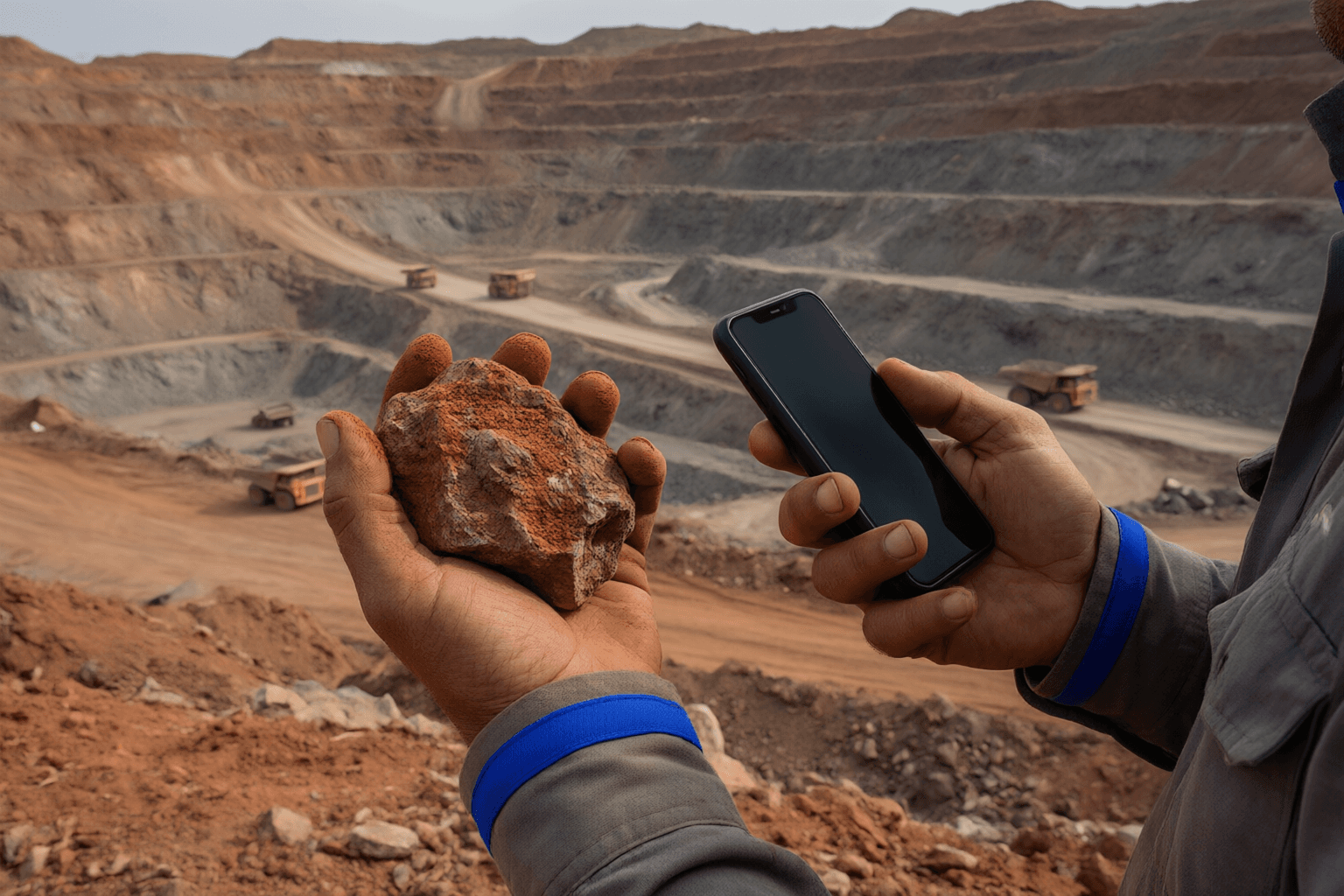
Australia built the fastest export growth of any advanced commodity economy since 1990 on a single, narrow bet: Chinese demand for its raw materials.
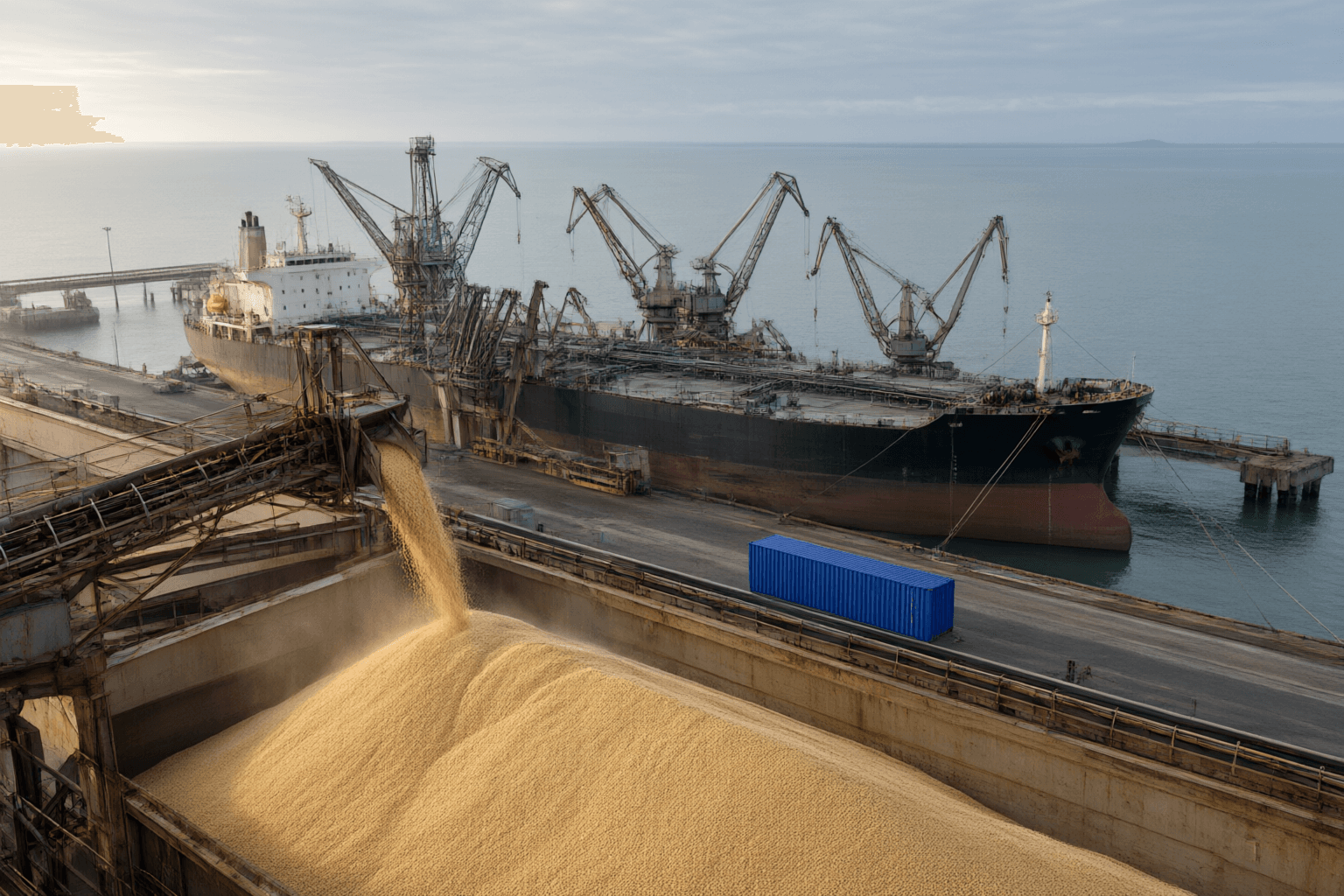
Brazil runs one of the world's largest commodity trade surpluses — but it is shrinking, not setting records.
France's trade deficit collapsed from a record €161.7 billion in 2022 to €69.2 billion in 2025 — a 57% improvement.
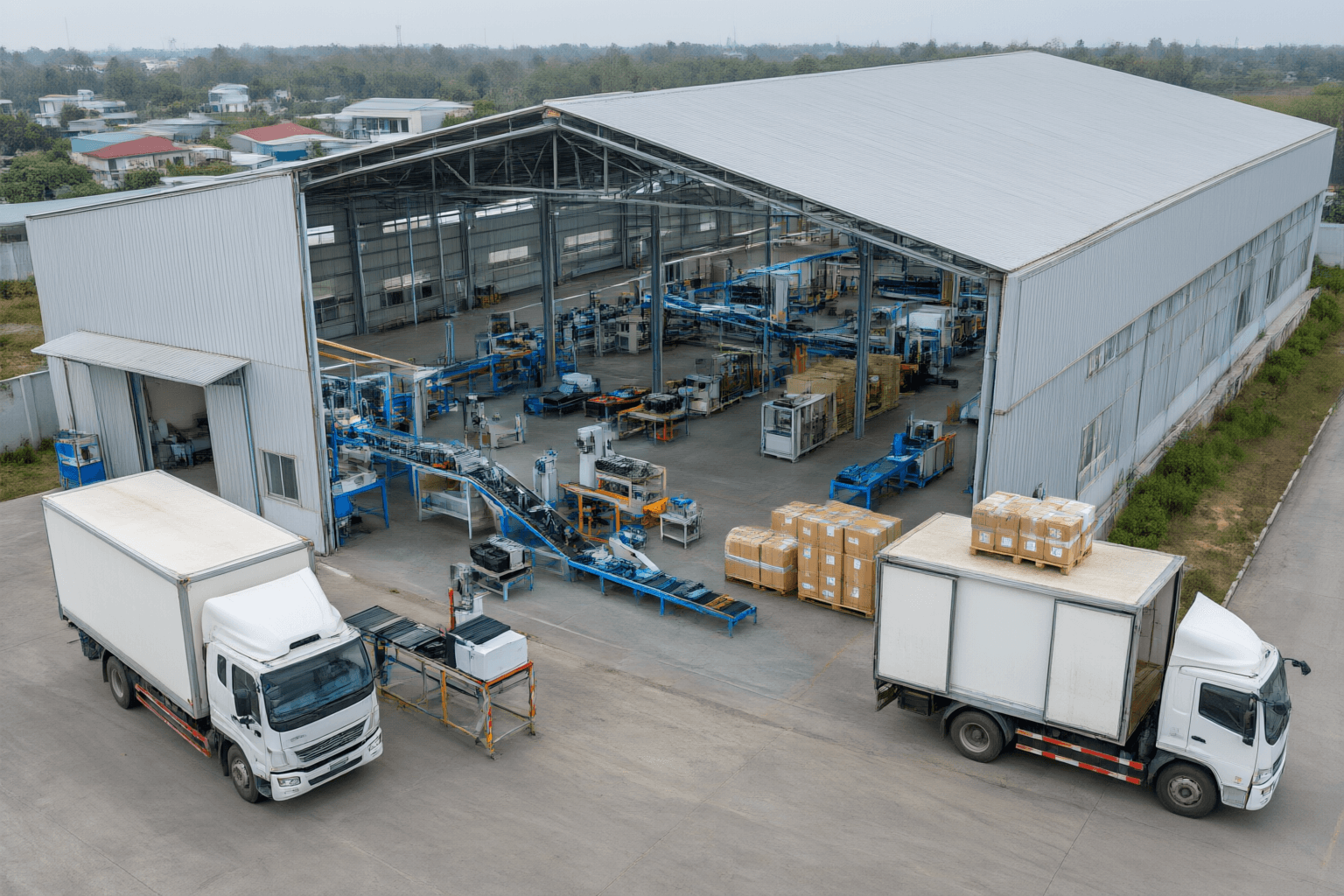
Vietnam's exports grew from $2.4 billion in 1990 to $475 billion in 2025 — a 198-fold increase, among the fastest of any economy on record. But the domestic value-added share of those exports fell from 76.9% in 1995 to 52.0% in 2020 (the last year the OECD series measures it) — by far the steepest decline in the value-added data we track. Vietnam built one of the world's most explosive export machines. The question is how much of it Vietnam actually owns.
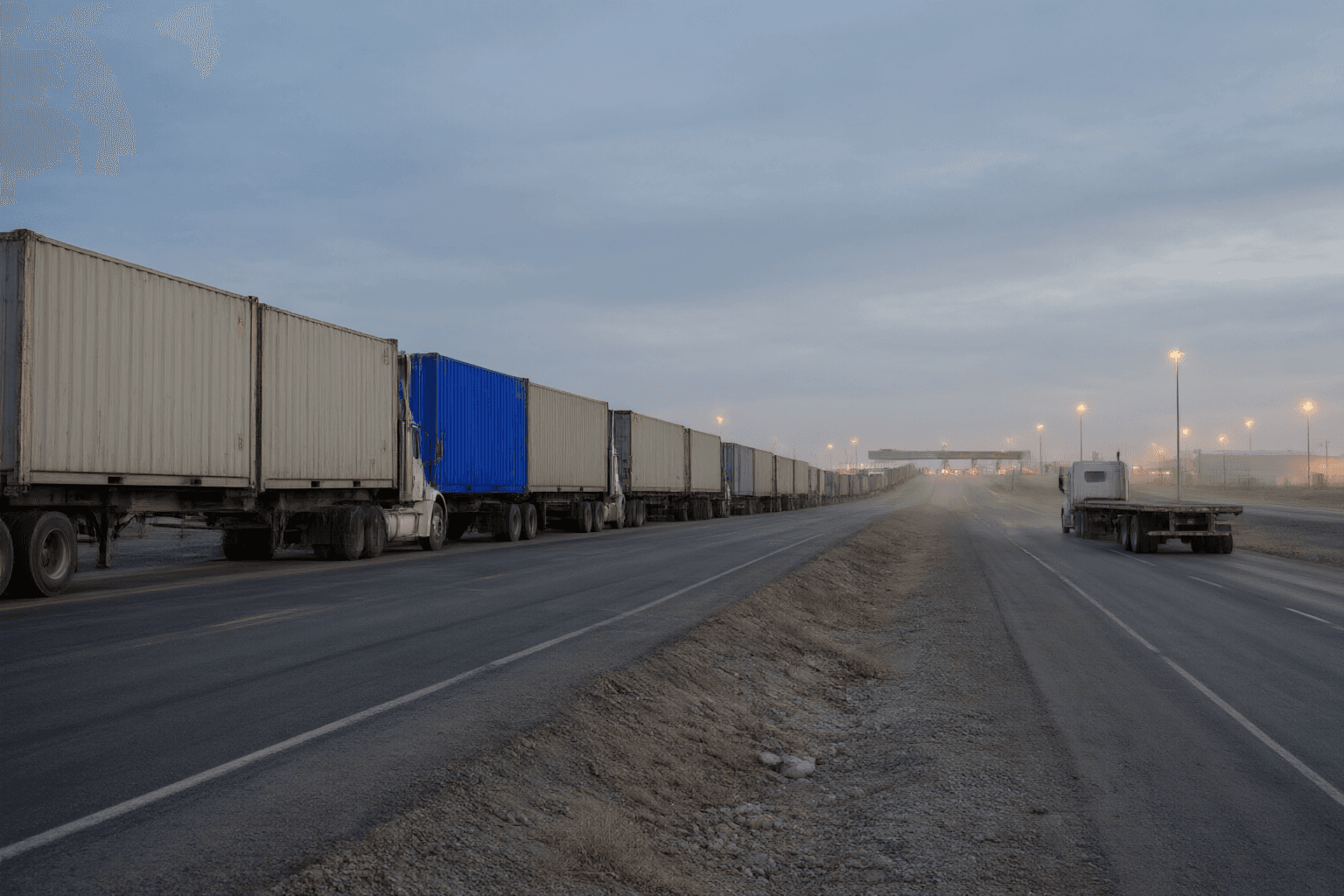
Nearshoring pushed Mexico to a record $663.7 billion of goods exports in 2025 and made it the United States' largest trade partner — but Mexico retains a far smaller share of each export dollar than its peers. On the OECD's cross-country measure, Mexico kept 65 cents of every export dollar in 2020, the last year measured, versus 92.5 cents for the US. Mexico's own statistics office puts the figure higher (77%) and rising — but no post-2020 data yet exists to judge whether the nearshoring boom has moved it.
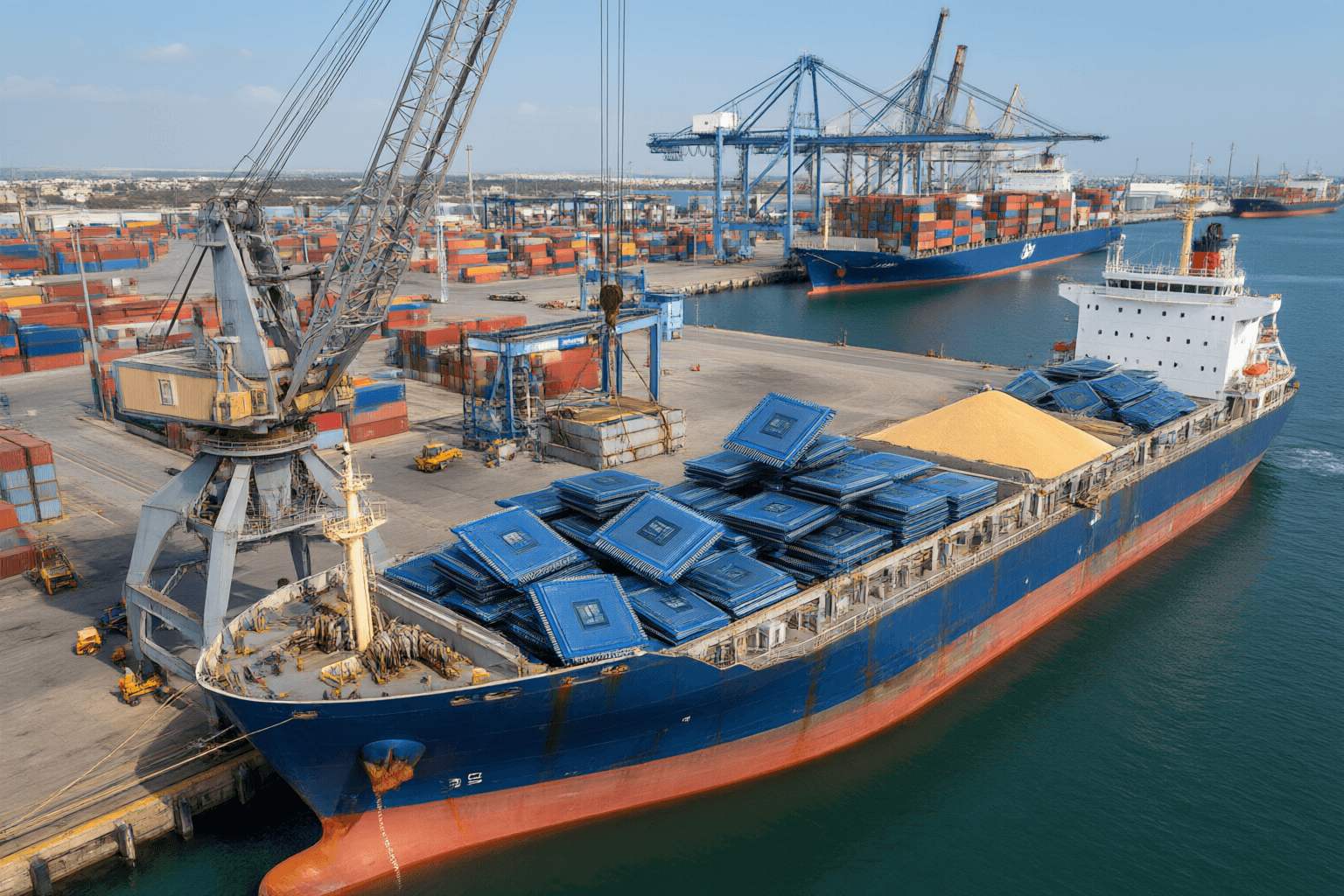
South Korea exported $709.7 billion of goods in 2025 — a record, and the first time above $700 billion — driven by a semiconductor super-cycle.